
.jpg)
The world sometimes feels like a non-stop information tsunami. But that's why it's more important than ever to focus on what matters, learn from those who have walked the path before and distill the signal from the noise.
The following books won’t only help shape your thinking, they’ll also make you a better storyteller. Because while machines don’t, people still need a good story to unlock their motivations, their sense of purpose and drive to innovate.
So whether you're shopping for yourself, a fellow data leader or building a reading list for your team, here's our list of the best data books to gift, recommend, or add to your own bookshelf. We’ve mostly left out the highly technical manuals and focused on what will shift the big picture.
1. Data Means Business: Level up your organisation to adapt, evolve and scale in an ever-changing world – Jason Foster & Barry Green
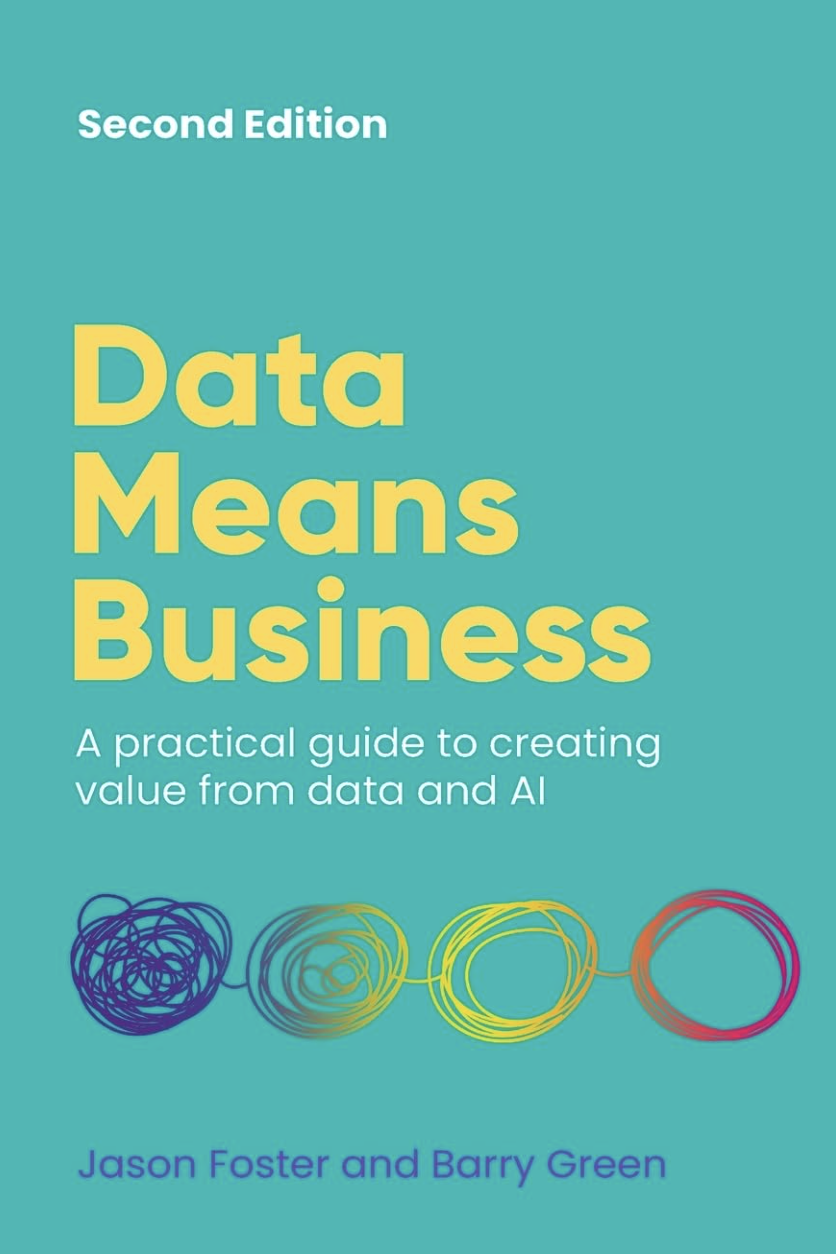
This book remains as relevant as ever. It cuts through the noise with a practical framework for creating measurable value with data and AI, great for strategy-minded CDOs and business-aligned data leads. Written by Jason Foster, CEO & Founder of Cynozure and Barry Green, who has worked as a Chief Data Officer in multiple organisations, their decades of experience deliver a refined approach to tackle tomorrow’s problems.
2. Be Data Literate: The Data Literacy Skills Everyone Needs to Succeed – Jordan Morrow

Still one of the best intros to what data literacy actually means. This one’s for your commercial, HR or ops leads who want to get fluent without becoming data scientists.
Written by “The Godfather of Data Literacy”, Morrow brings the essential guide to help develop the curiosity, creativity and critical thinking which underpins data literacy in every organisation.
He’s also the author of Be Data Driven, Be Data Analytical, and Business 101 for the Data Professional.
3. Humanizing AI Strategy: Leading AI with Sense and Soul – Tiankai Feng
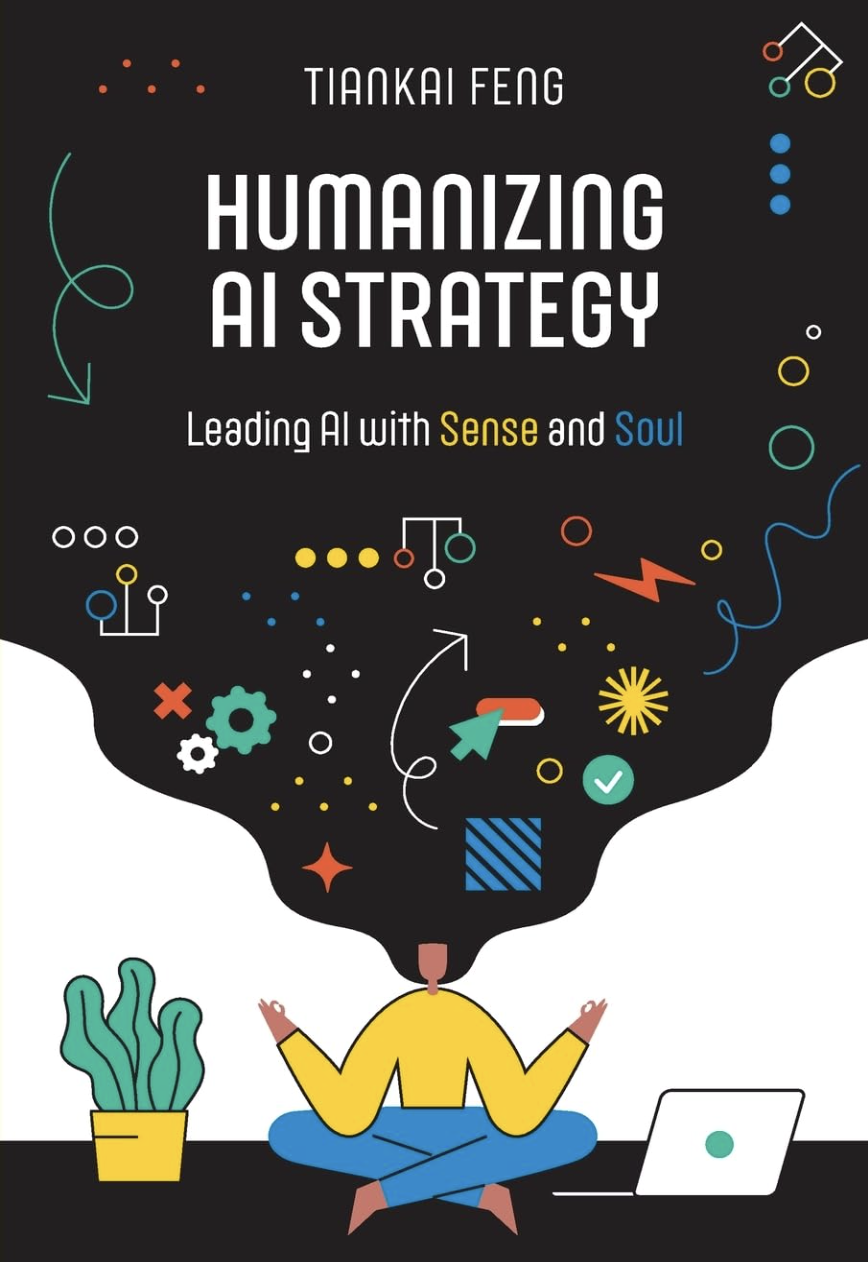
Feng is the author of Humanizing Data Strategy, and now he’s turned his focus toward AI. He argues for empathy, culture and communication as core components of any successful AI strategy. Whether you want to build learning ecosystems, design adaptive governance or empower your cross-functional teams, this book tackles a wide range of common challenges.
4. The Data & AI Literacy Bible – Greg Freeman
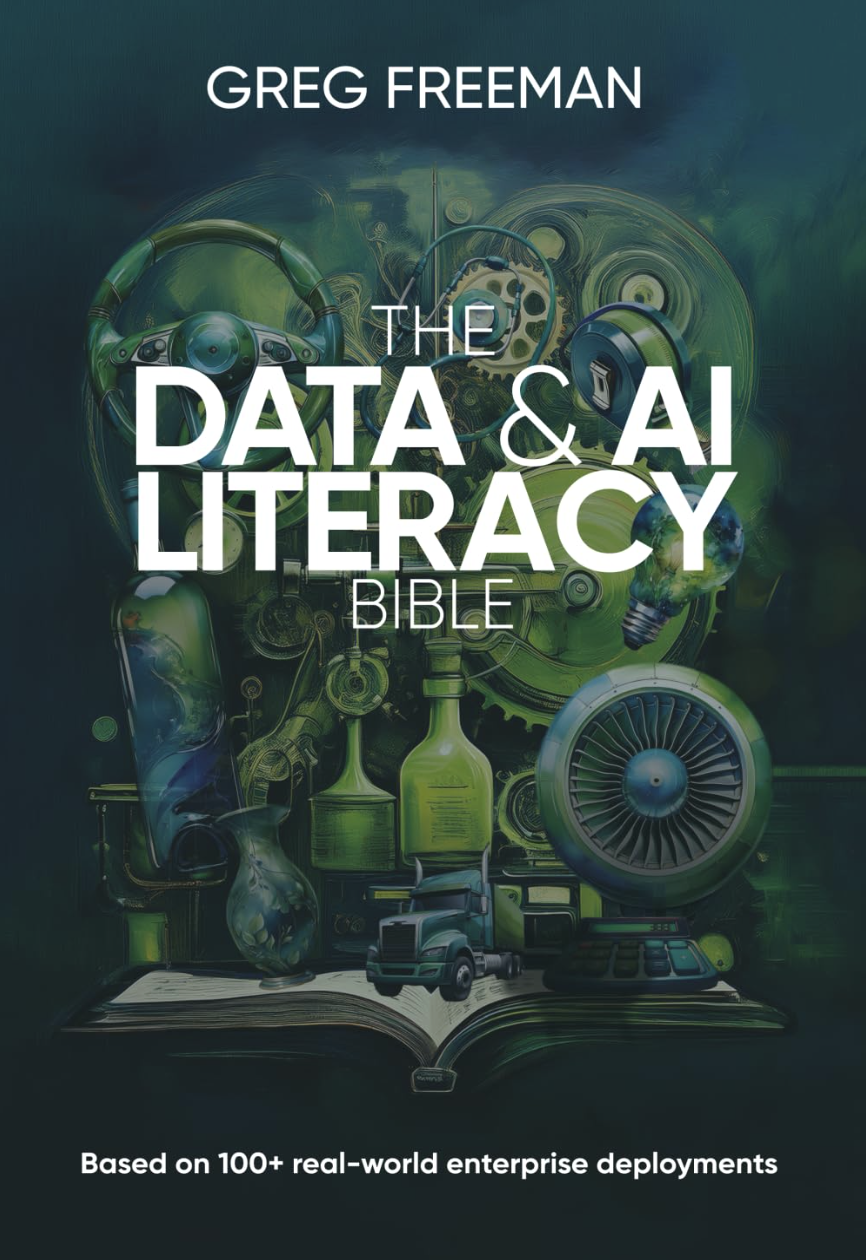
This book offers a definitive, experience-based roadmap for embedding data and AI literacy at scale. It highlights the common point of failure when tools take precedence over people. Topics include building confidence (not just skills), creating safe learning spaces, and aligning learning with tangible business outcomes. Essential for data and L&D leaders who are done with wasting money on shiny tech projects that don’t deliver.
Buy The Data & AI Literacy Bible
5. How to Measure Anything: Finding the Value of Intangibles in Business – Douglas Hubbard
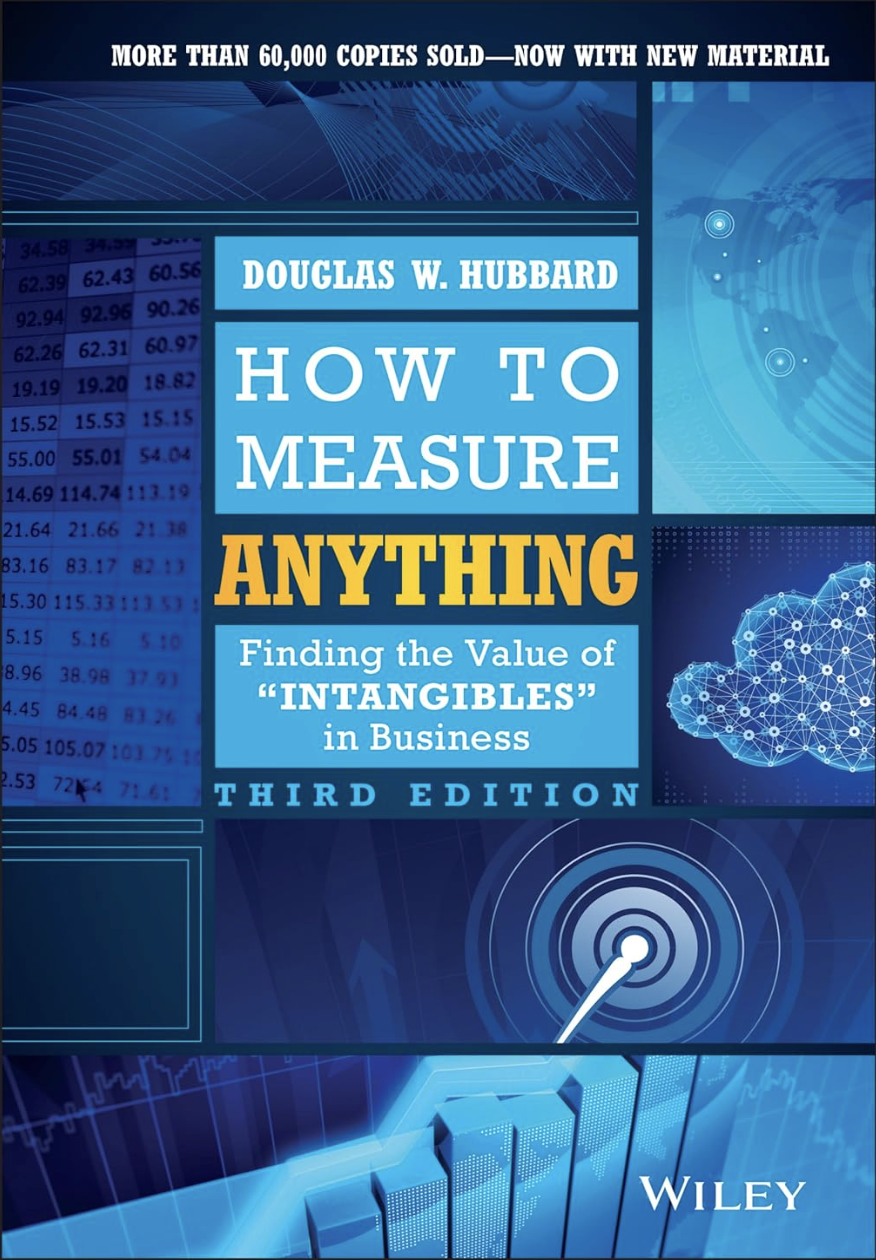
Measuring value remains a sticking point in most organisations. This book challenges the idea that some things can’t be measured. With updated methods and practical examples, Hubbard shows how to quantify so-called “intangibles” like customer satisfaction, tech risk, and flexibility while using clear logic and accessible techniques. If you struggle to make decisions under uncertainty, you’ll get a practical toolkit for applying measurement in messy, real-world contexts. It includes downloadable spreadsheet models and will help you convince a boardroom that data matters even when it's fuzzy.
6. The Chief Data Officer’s Playbook – Caroline Carruthers & Peter Jackson
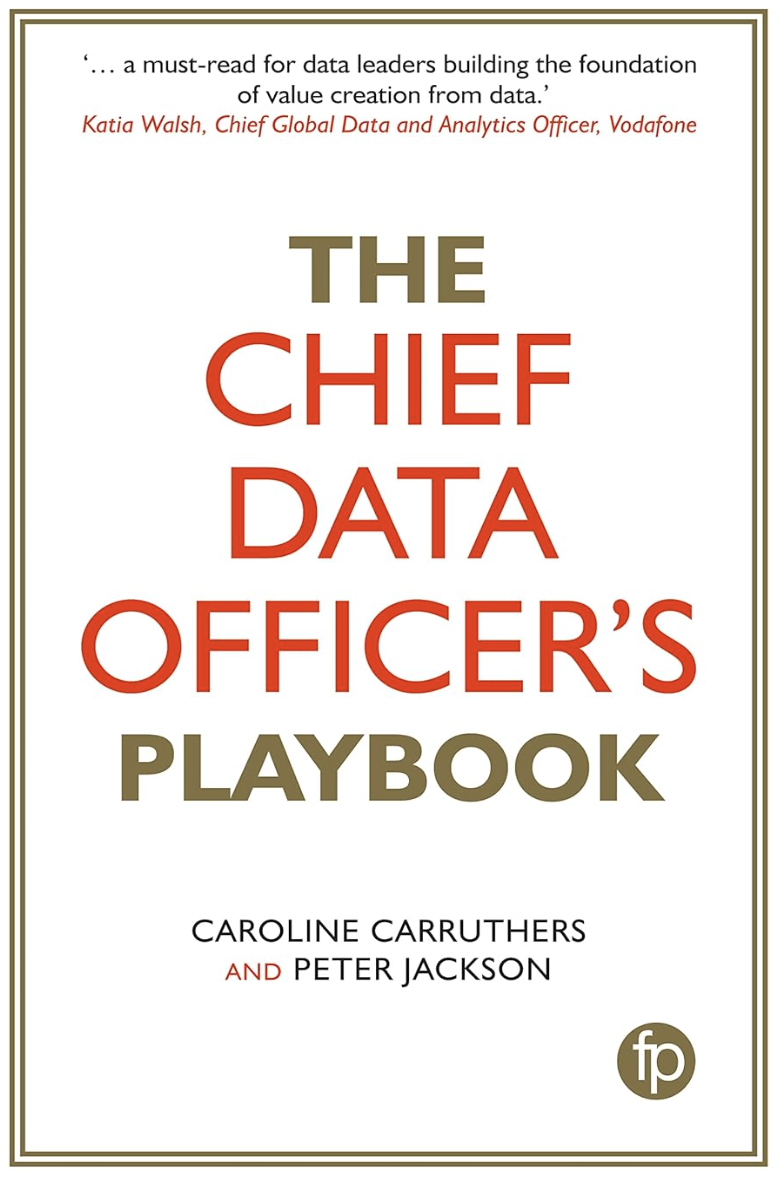
A go-to guide for new or aspiring CDOs. It’s less about the tech, more about the organisational realities of leading data at scale. It explores how expectations, ethics, and enterprise ambitions have evolved, and shares how the CDO should be a true C-suite player. With fresh insights from a wide network of data leaders, it offers practical reflections on third-gen CDOs, ethical data use, and leading transformation during economic recovery. A must-read for current and aspiring CDOs, recruiters, and anyone shaping data strategy.
Buy The Chief Data Officer’s Playbook
7. Disrupting Data Governance – Laura Madsen
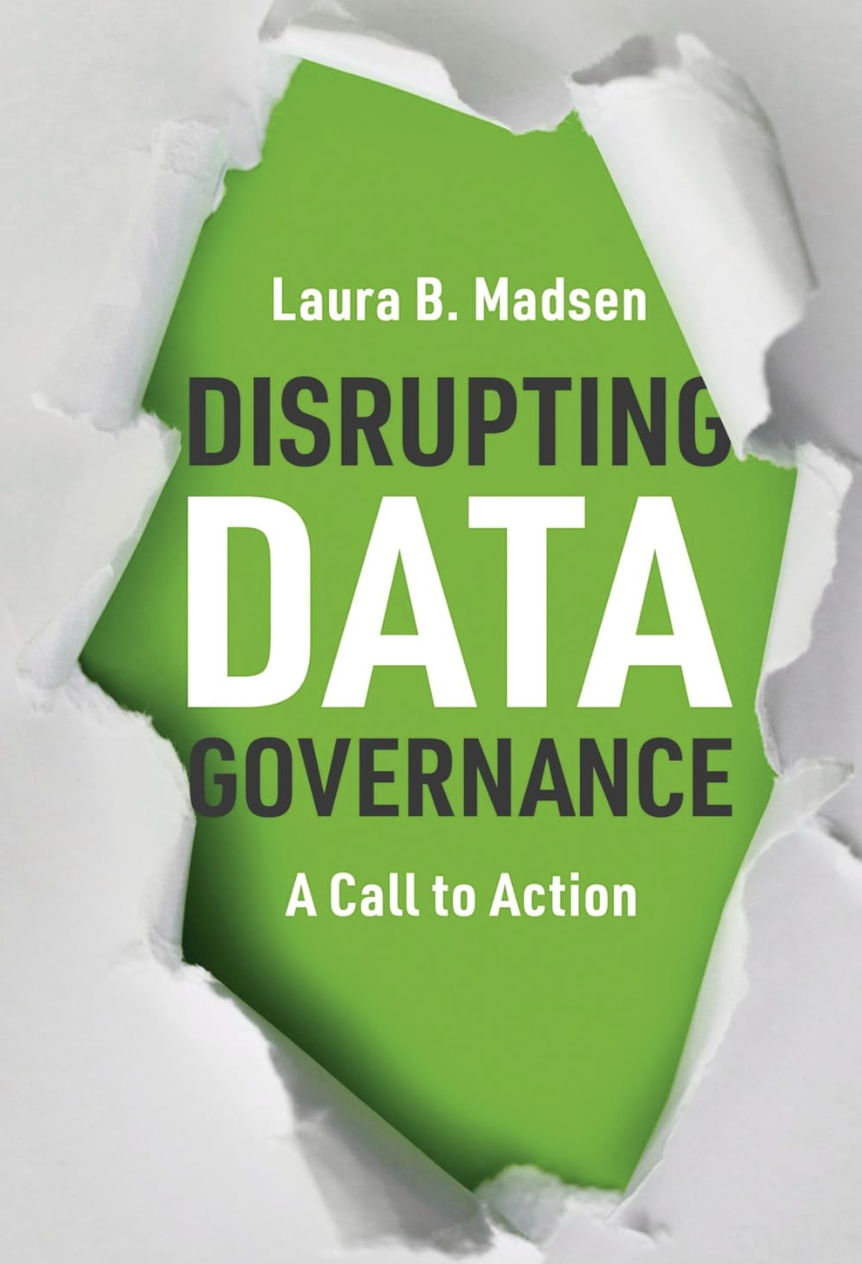
If you're trying to modernise or humanise governance, this book will help you make the case. Practical, punchy and no-nonsense. Madsen dismantles traditional “command and control” models and argues for a people-driven, responsive approach fit for today’s data realities. Drawing on research and expert interviews, this book challenges everything you think you know about governance, and offers practical strategies to rebuild trust, relevance and agility in the function.
Buy Disrupting Data Governance
8. DAMA-DMBOK: Data Management Body of Knowledge – DAMA International
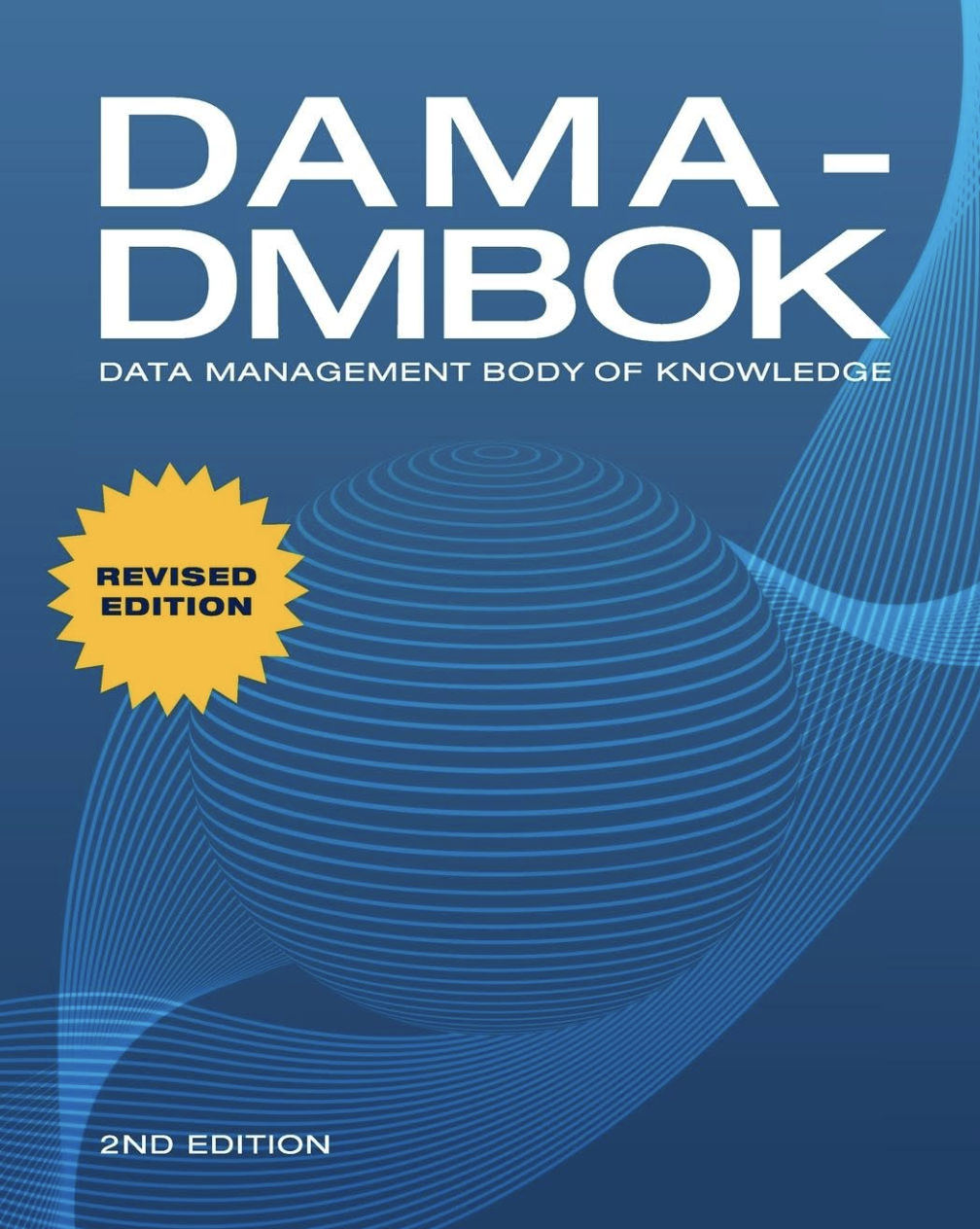
The bible of data management. Dense, yes. But if you're designing a robust enterprise data function, it's indispensable. DAMA-DMBOK2 outlines the full complexity of managing data as a strategic asset, from governance and architecture to ethics, metadata, and BI. With a structured framework, common vocabulary, and practical principles, you’ll keep coming back to this book as a reference.
9. The Data Economy – Isaac Baley & Laura Veldkamp
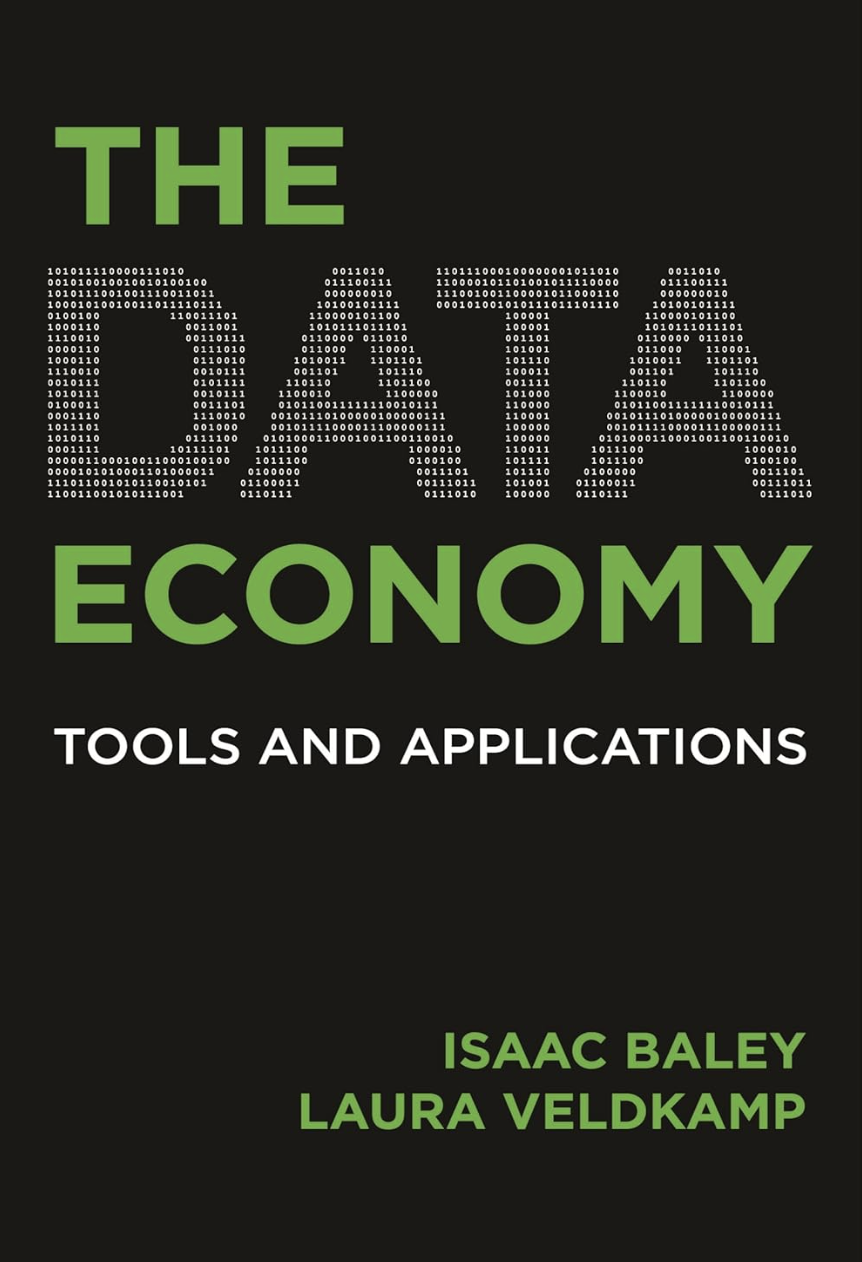
This is a deep dive into the economics of data: how it creates value, drives market power, and shapes firm behaviour. Baley and Veldkamp use tools from macroeconomics and finance to show how data reduces uncertainty and influences everything from production to pricing. The book is theoretical but accessible, with models that help quantify the economic worth of data. A valuable read for researchers, advanced students, and data leaders looking to understand data’s broader impact on markets and policy.
10. Data and Analytics Strategy for Business: Leverage Data and AI to Achieve Your Business Goals – Simon Asplen-Taylor
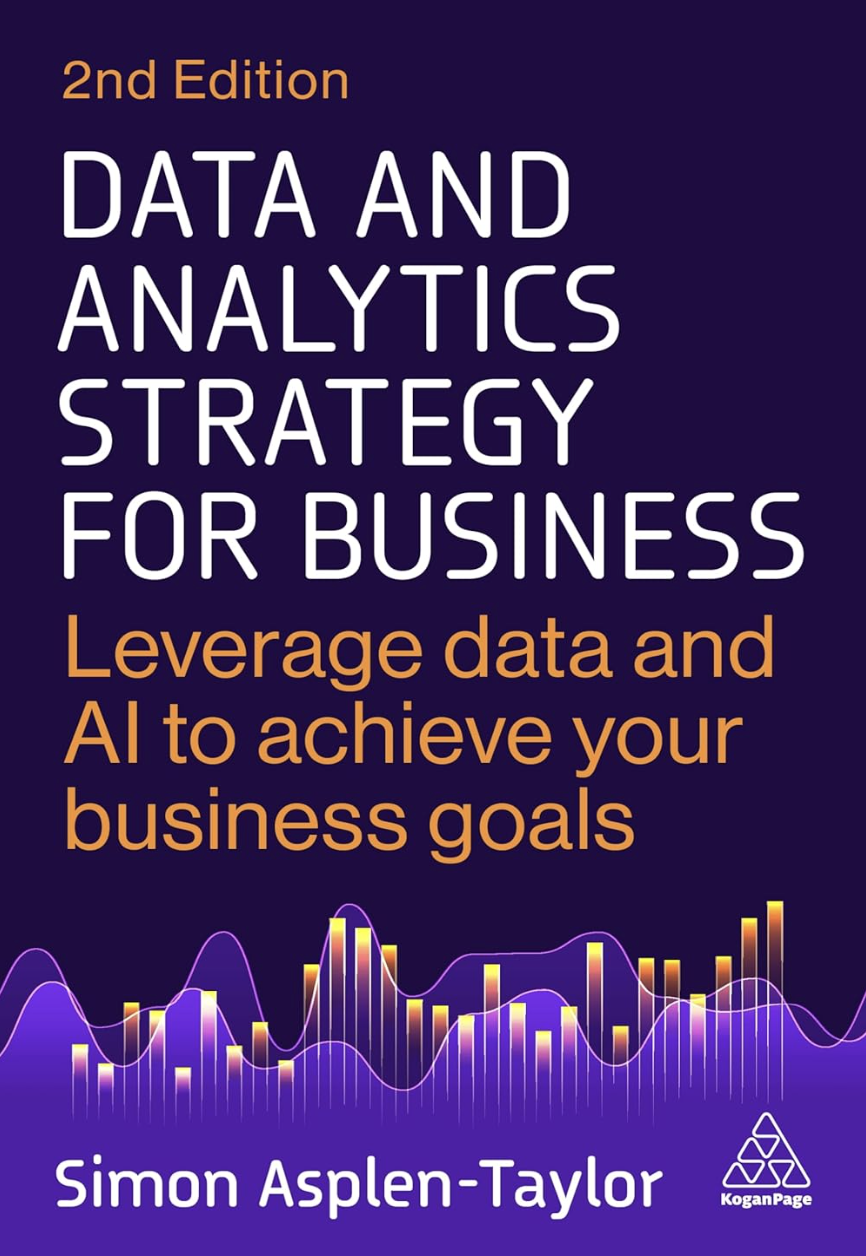
A clear, no-fluff playbook for CDOs, CAIOs and data leaders who need to turn data and AI strategy into real business results. The book covers everything from data trust and governance to securing buy-in and scaling impact. Grounded in experience, it’s part guide, part coaching manual, ideal if you struggle to embed value-first thinking.
Buy Data and Analytics Strategy for Business
11. Storytelling with Data: A Data Visualization Guide for Business Professionals – Cole Nussbaumer Knaflic
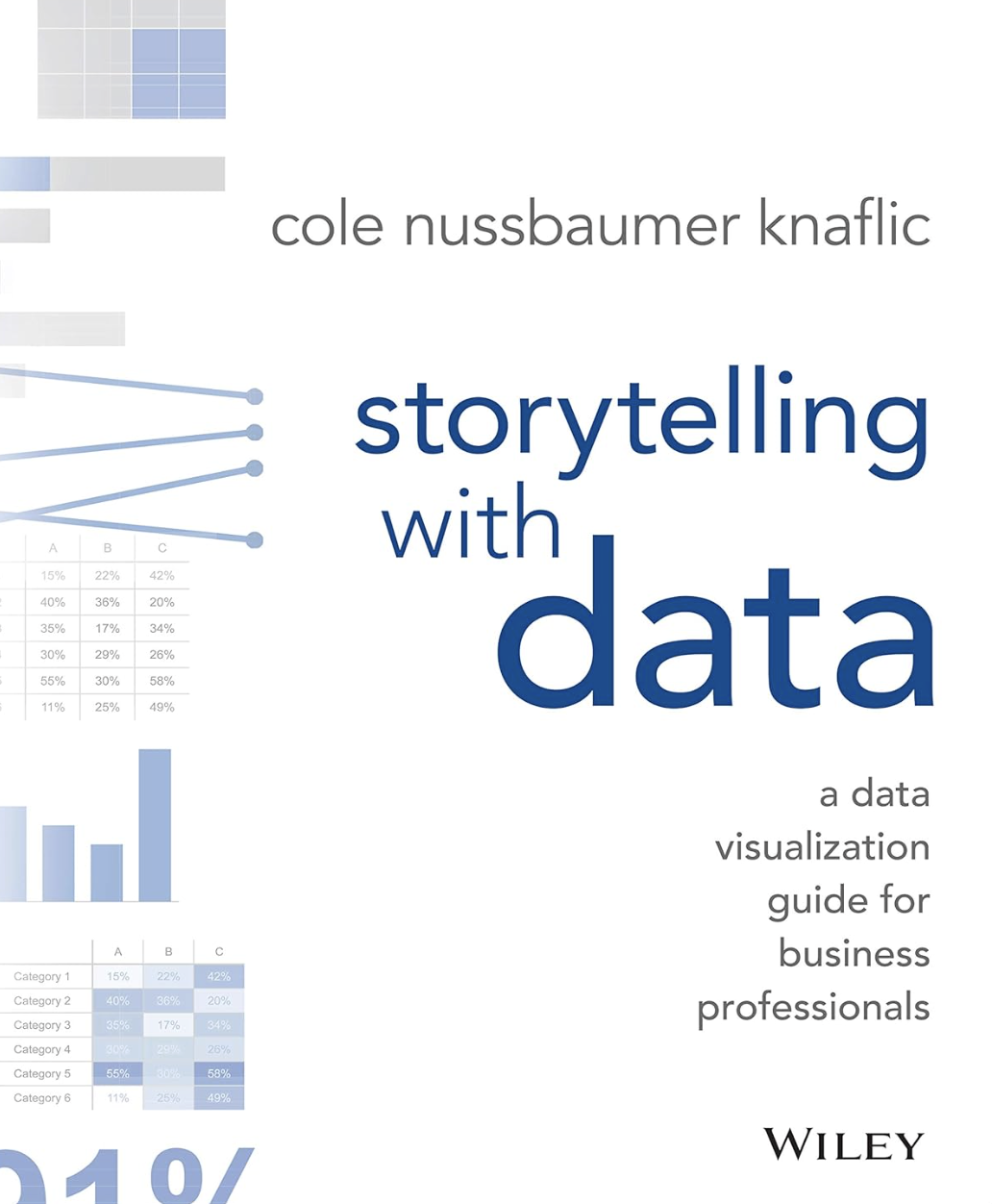
So often, great datawork goes unnoticed because nobody understands it, or the story doesn’t get told. You’ll learn to choose the right charts, cut the clutter, focus attention, and tailor your message to your audience. Ideal for analysts, communicators, and leaders tired of lifeless dashboards and confusing presentations.
12. The Big Book of Dashboards: Visualizing Your Data Using Real-World Business Scenarios – Steve Wexler, Jeffrey Shaffer & Andy Cotgreave
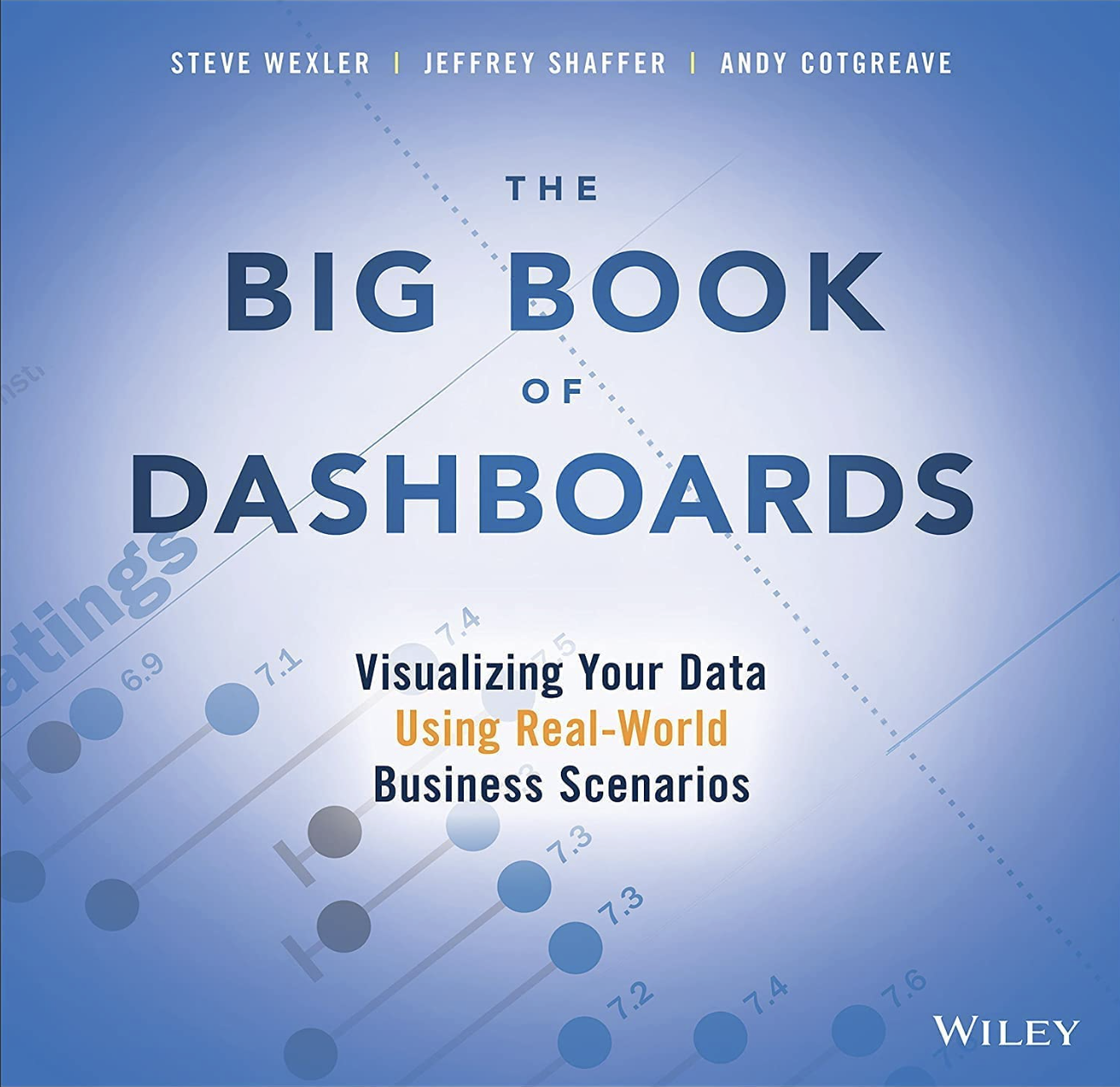
Continuing the visualisation theme, this is another great read. It’s the go-to guide for building business dashboards that actually work. Written by seasoned practitioners, it shows you how to tailor dashboards to different audiences, platforms, and use cases. Beyond just design theory, it tackles the messy, practical challenges, like handling poor requests, managing stakeholder expectations, and avoiding misleading visuals.
Buy The Big Book of Dashboards
13. The Art of Statistics: Learning from Data – David Spiegelhalter
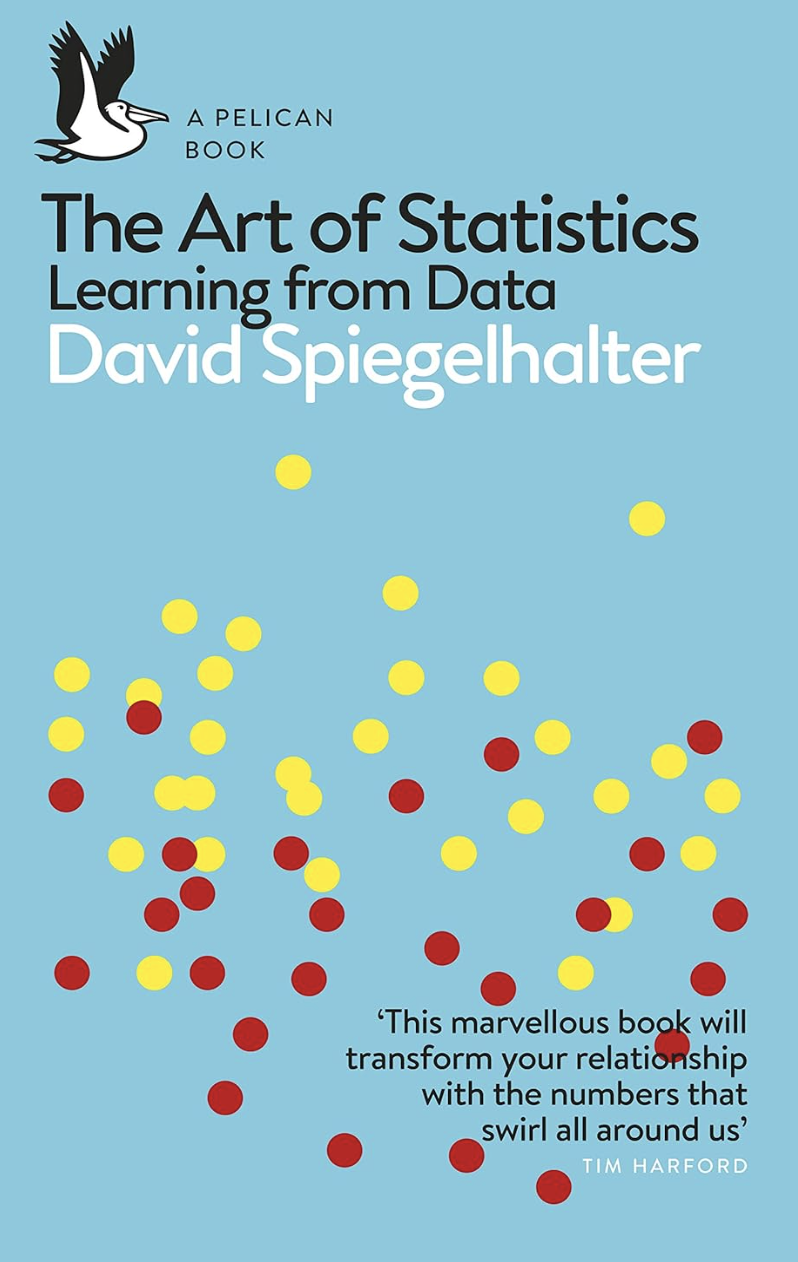
A modern masterclass in statistical thinking. Spiegelhalter uses memorable examples, from Titanic survivors to medical screening, to unpack core concepts like risk, correlation, and uncertainty. Essential reading for anyone working with data, making decisions, or navigating statistical claims in the media.
14. The Signal and the Noise – Nate Silver
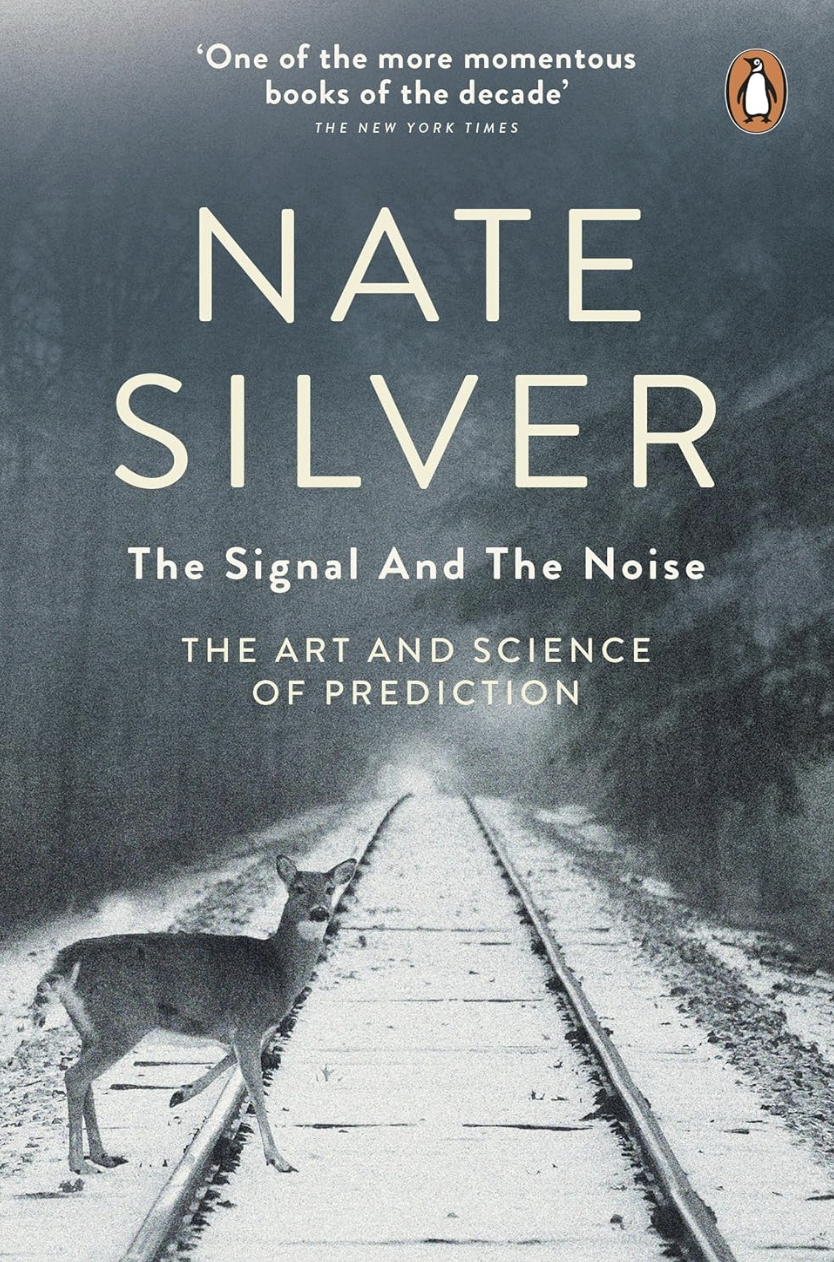
This book has been around for a while, but it’s still relevant, especially in a world obsessed with prediction. It delivers a wide-ranging look at why we so often get predictions wrong and how we can do better. Silver explains how to separate real insight (the signal) from distraction and noise in fields like finance, politics, weather, and sports. He uses clear examples, from poker tables to climate science, to show how statistical thinking and Bayesian logic improve decision-making. Essential reading for anyone working with forecasts, data models, or uncertainty and a sharp warning against mistaking more data for better knowledge.
15. Superforecasting: The Art and Science of Prediction – Philip Tetlock & Dan Gardner
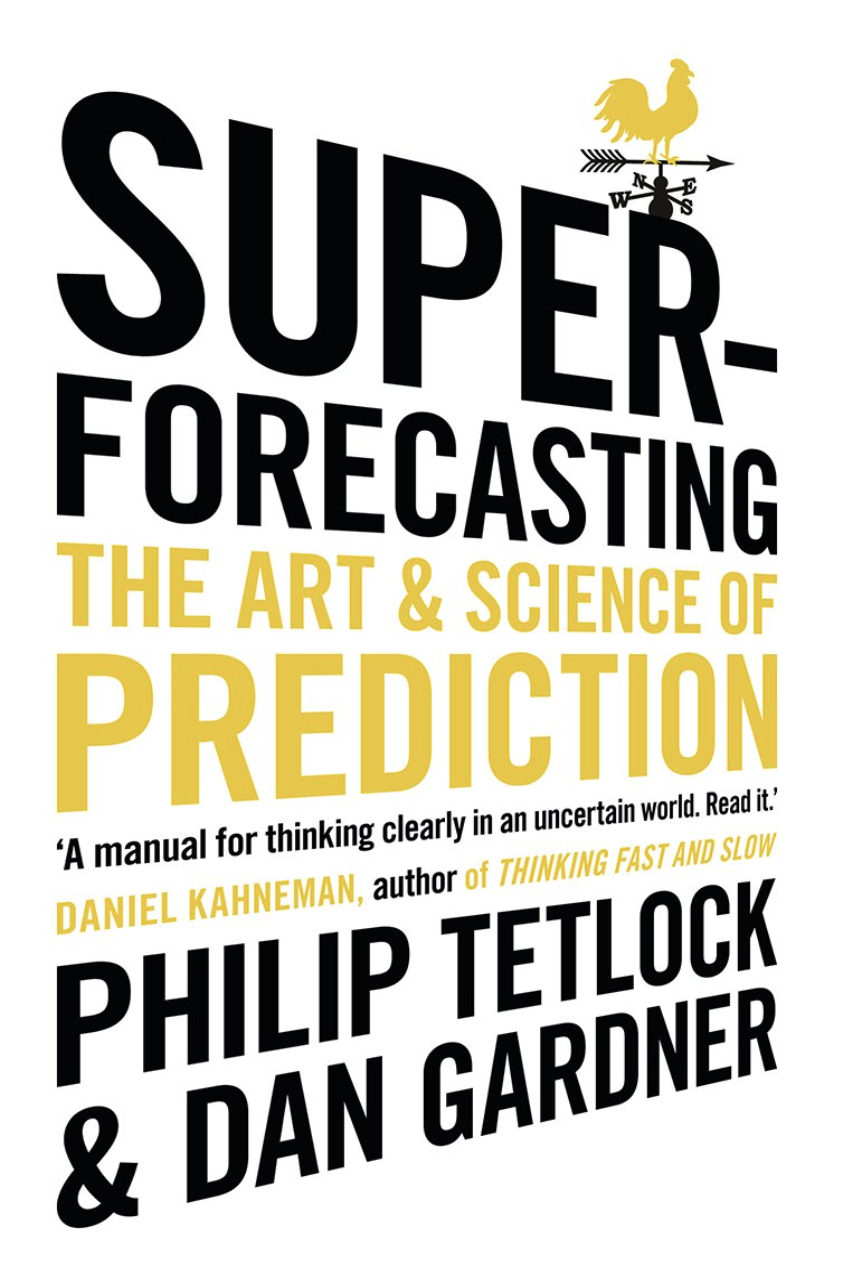
While this is not a data book per se, it’s a brilliant take on probabilistic thinking and decision-making under uncertainty. Based on a landmark research project, it explores why most experts are bad at predicting the future and what makes some people reliably better. Tetlock profiles “superforecasters”: ordinary individuals who consistently outperform intelligence analysts and pundits. The book unpacks their habits, from breaking problems into smaller parts to constantly updating beliefs. It’s a practical guide for improving foresight in business, policy, and everyday decisions, grounded in evidence.
16. AI Snake Oil: What Artificial Intelligence Can Do, What It Can’t, and How to Tell the Difference – Arvind Narayanan & Sayash Kapoor

Smart, sceptical and timely. Helps cut through the hype around AI and reminds us that rigour matters. Narayanan and Kapoor expose the gap between real AI capabilities and the overhyped claims often used to sell broken or harmful systems. They explain key differences between predictive and generative AI, uncover where AI is already causing damage (in hiring, policing, healthcare), and show how to spot “snake oil” in AI marketing. This is essential reading for anyone making decisions about AI in work or policy.
17. Supremacy – Parmy Olson
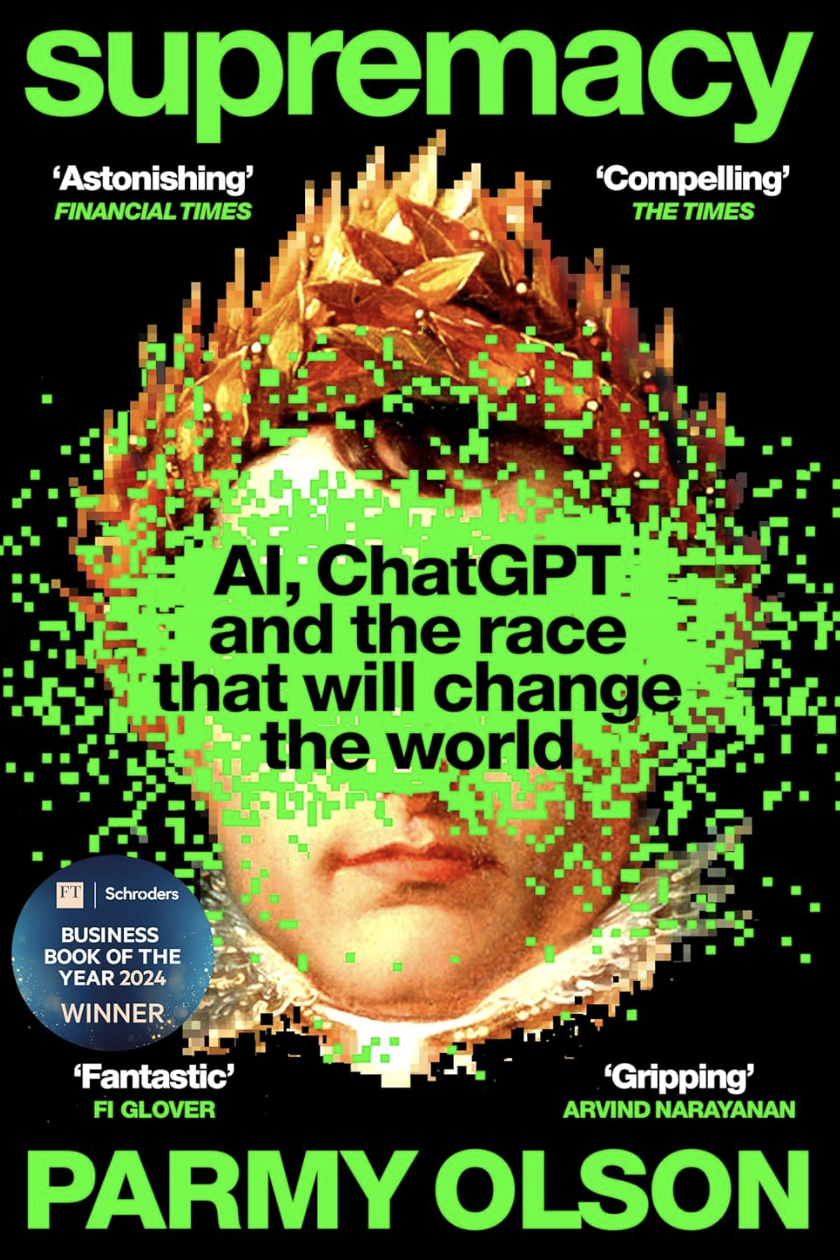
This gripping exposé dives into the high-stakes battle for dominance in generative AI, tracing how figures like Sam Altman (OpenAI) and Demis Hassabis (Google DeepMind) were drawn into alliances with Microsoft and Google to access the compute power, infrastructure, and influence required to stay in the race. Olson explores how this consolidation has locked out smaller players and academics, deepening the monopoly of tech giants over AI innovation.
18. The Information: A History, a Theory, a Flood – James Gleick
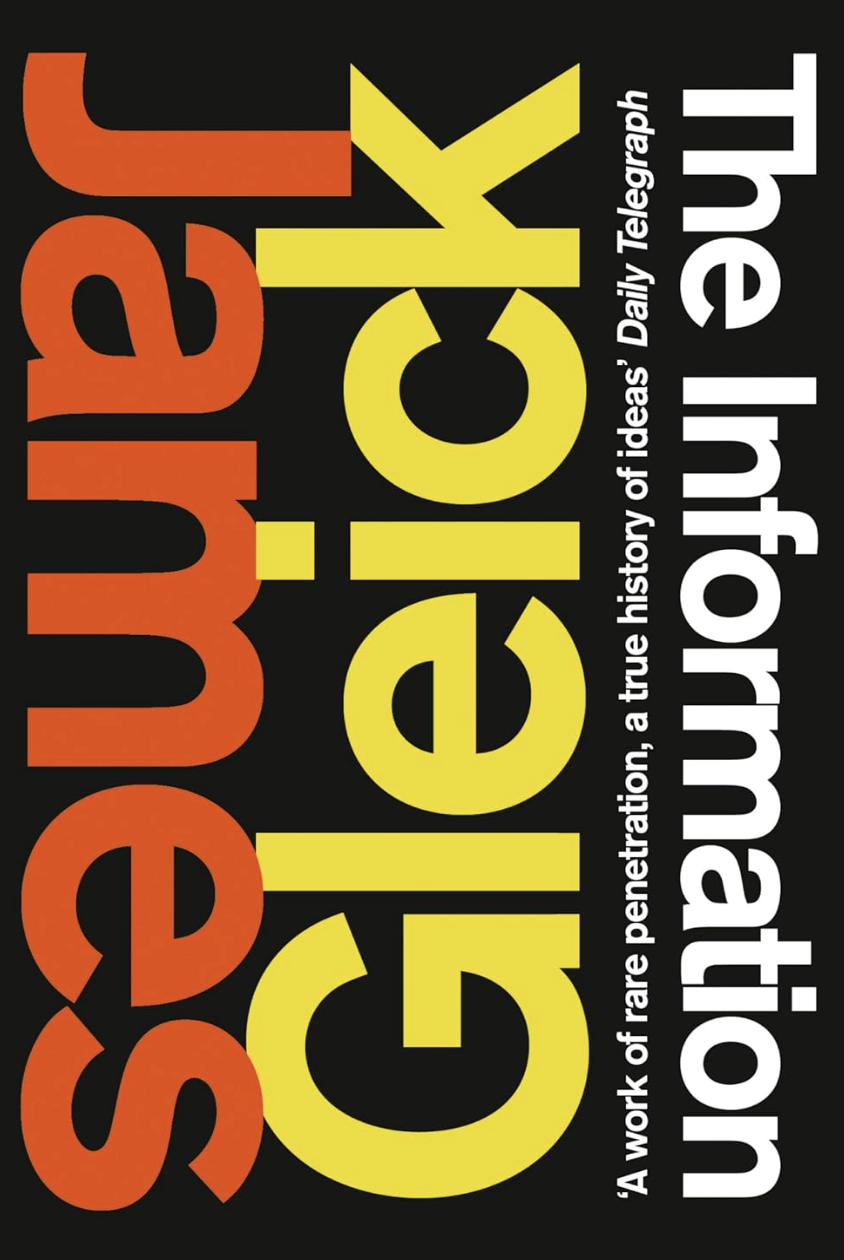
A sweeping history of how humans have created, shared, and understood information, from talking drums and telegraphs to computers, DNA, and Wikipedia. Gleick explains the rise of information theory through figures like Claude Shannon, Alan Turing, Charles Babbage, and Ada Lovelace, showing how their ideas reshaped science and modern life. It’s a rigorous but highly readable account of how information became a fundamental concept in physics, computing, communication, and culture.
We hope these books will help inspire conversations, nudge your data culture to the next level and help you move into 2026 with fresh perspectives.
Related blog posts
.png)

.png)
.png)
.png)
.png)
.png)
.png)
.png)
.png)
.png)
.png)
.png)


Unlock the power of your data & AI
Speak with us to learn how you can embed org-wide data & AI fluency today.

