
.png)
On July 1st, DAMA UK , Data & AI Literacy Academy and Amplifi (Europe) brought a room of senior data leaders together for an event called People, Data & AI.
Below are two conversations that left the biggest impression.
Building a shared language sits at the heart of your data culture
Ask ten people in the room to define what a "data product" is and you'll get a handful of different answers.
Some mean the database itself. Others mean a specific tool or report built on top of it. A few attendees shared that once you dig deep enough, you find tools built on tools built on tools. Communication gets messy fast without understanding what your shared definition is as a starting point!
What everyone did agree on was that the underlying database sits at the bottom of all of it, and if that's shaky, everything built above it inherits the problem. Emphasising that data foundations matter will probably remain a drum we need to keep banging for the next 20 years, as complexities keep mounting.
Shared language isn't just semantics. If your organisation can't agree on what a data product is (or any other jargon for that matter), it's hard to agree on who owns it, what "done" or "good" looks like, or how to measure whether value is being delivered.
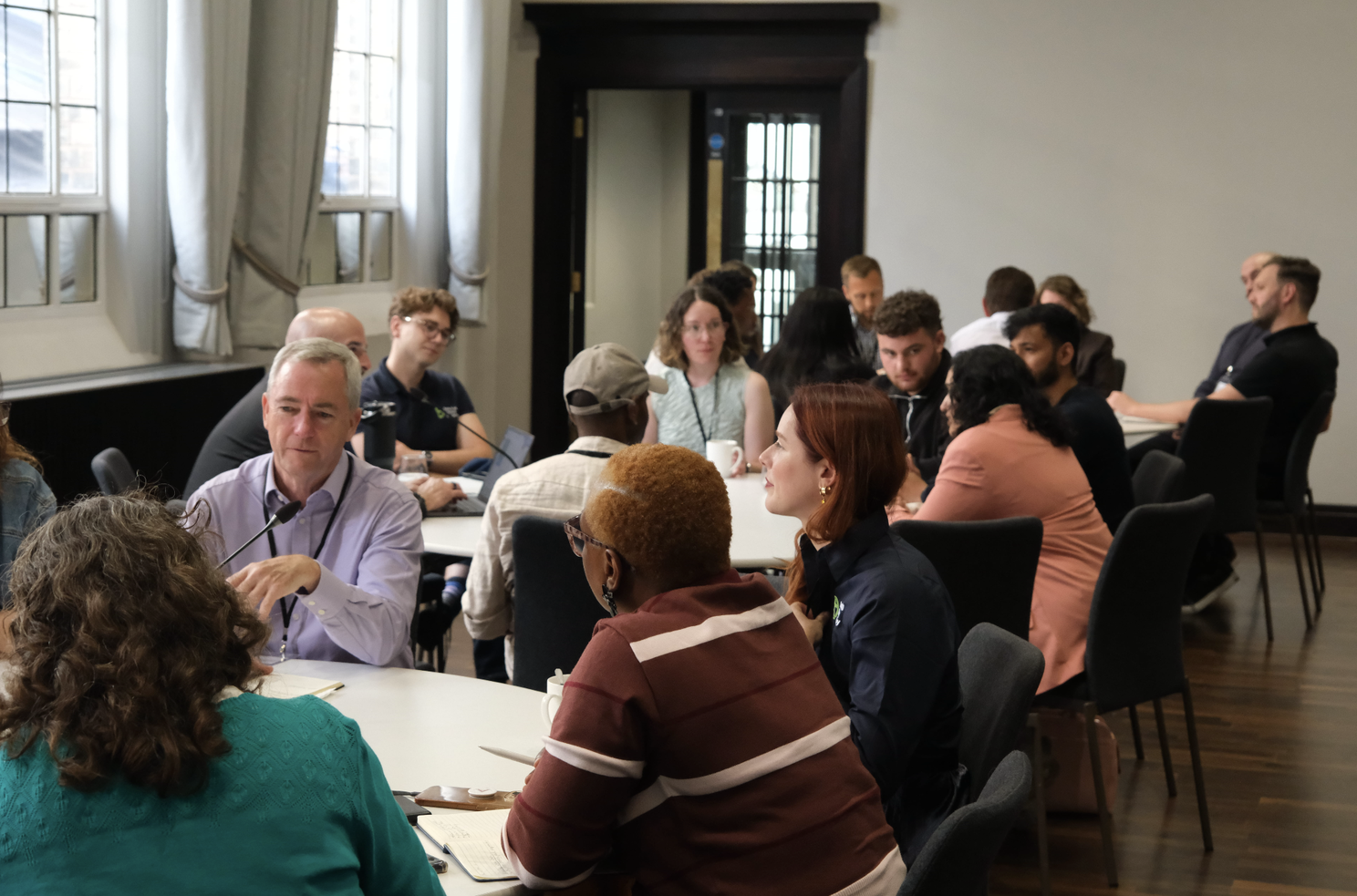
The second thread in this conversation was about sharing data across organisational and industry lines. The willingness to share seemed to come down to a constant weighing of risk: what's lost by sharing versus what's lost by not sharing, and that calculation shifts with circumstances. Someone raised Ukraine as an example: intelligence sharing there has increased sharply as the threat from Russia has grown. The risk calculation changed, so the sharing behaviour changed with it.
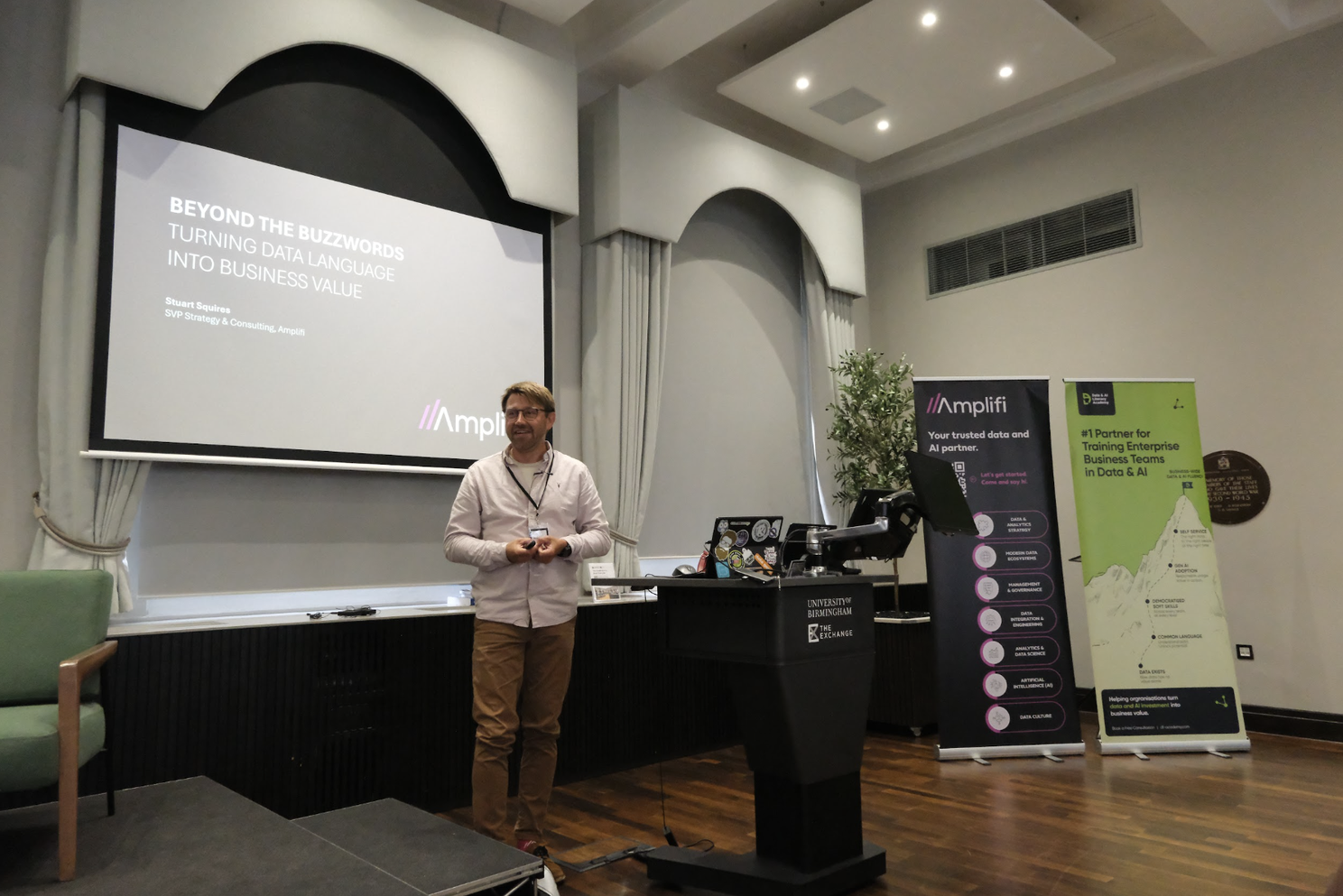
Stuart Squires' presentation spoke about the same theme. If nobody understands what you're talking about outside the data team, good luck getting any action or traction!
It's essential to reframe topics like governance, MDM and AI in business language to meet business leaders where they're at. If they doze off while you're explaining the latest technical details, it's going to be an uphill battle to improve your data culture, get budget signed off, or have people understand what the value data means for their job.
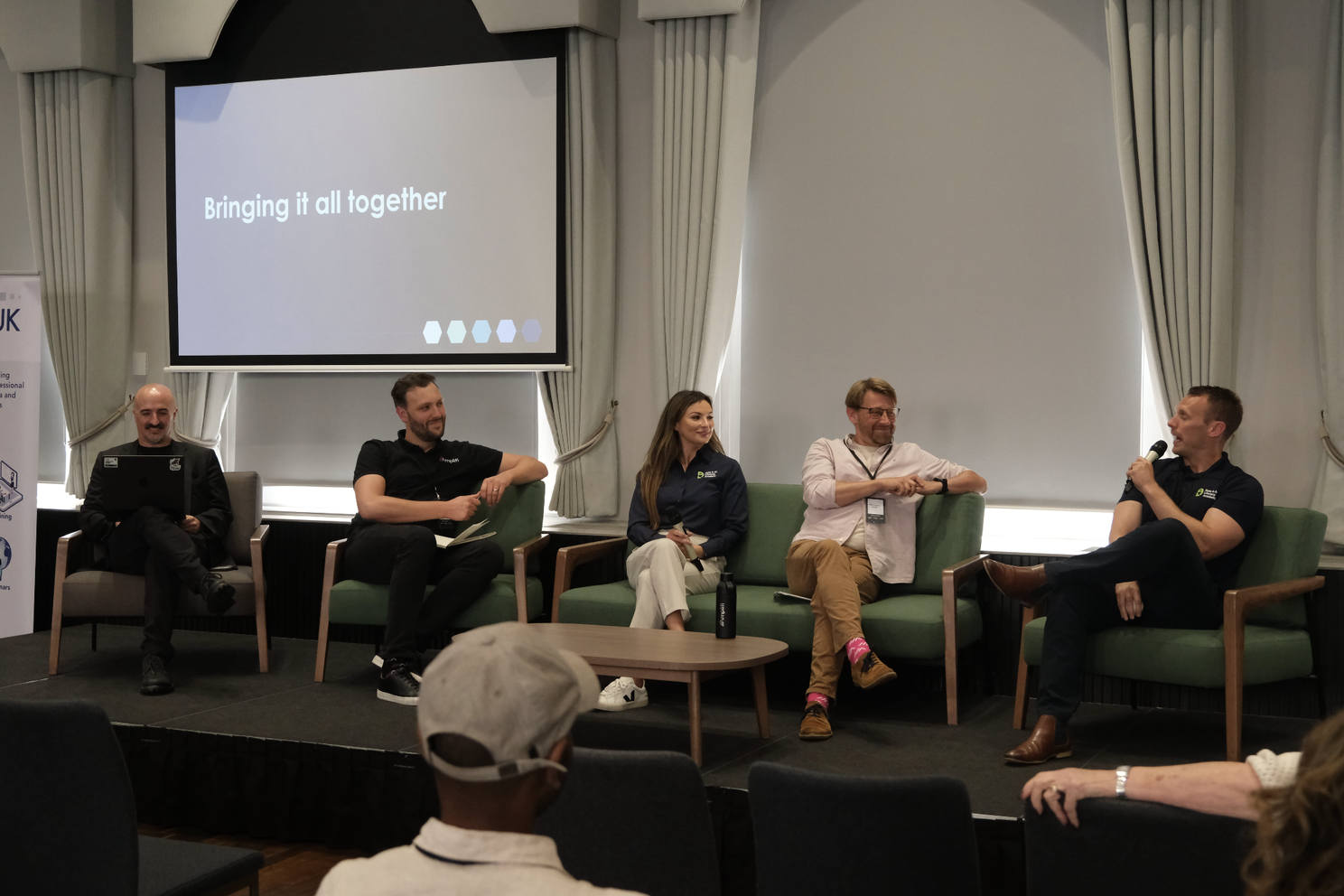
The real gap isn't access to AI, it's the willingness to try it
The second conversation was about the widening space between the people building AI tools and the people expected to use them day to day.
A few things came up:
AI is already displacing low-level knowledge work, particularly analytics and admin-heavy communication. It's not some far-off risk, it's happening at this very moment with different companies taking different approaches to these changes.
In the onslaught of AI tools, shaping AI literacy and critical thinking is business critical. People need to know when a human tone matters (I'd argue, it will matter more and more as people get tired of AI-generated responses), when to push back on an AI-generated answer, when something "looks right" but isn't. The more algorithms mature in mirroring authority, the greater the trap of falling into believing they produce correct information at all times becomes.
The bigger obstacle in most organisations isn't a lack of access to AI tools, as they're gobbling up millions of transformation budgets. It's that people don't feel safe, confident or equipped in experimenting with them. If trying something new and getting it wrong is treated as a mark against you, people won't try it and the gap between advanced builders and users just widens.
One solution is running AI hackathons. Provide a low-stakes space where people can build fluency and confidence by doing, and where getting something wrong doesn't cost anything serious to the business (except some used tokens of course).
The technical questions (what is a data product, how do we tag it, what can AI do) are usually easier to answer than the human ones (do we trust each other enough to share, do we feel safe enough to experiment). But you can't solve the technical side, without engaging with your people on an ongoing basis.
If you'd like to join one of our next events, get in touch with our Marketing team (marketing@dl-academy.com). I've been to countless industry events, stood out by how profoundly connected in their passion, challenges and the data & AI profession as a whole. In the age of AI, making an effort to get out there truly makes all the difference.
Related blog posts
.png)

.png)
.png)
.png)
.png)
.png)
.png)
.jpg)
.png)
.png)
.png)
.png)


Unlock the power of your data & AI
Speak with us to learn how you can embed org-wide data & AI fluency today.

